
Cross-Cultural Communication: Role of Power Distance
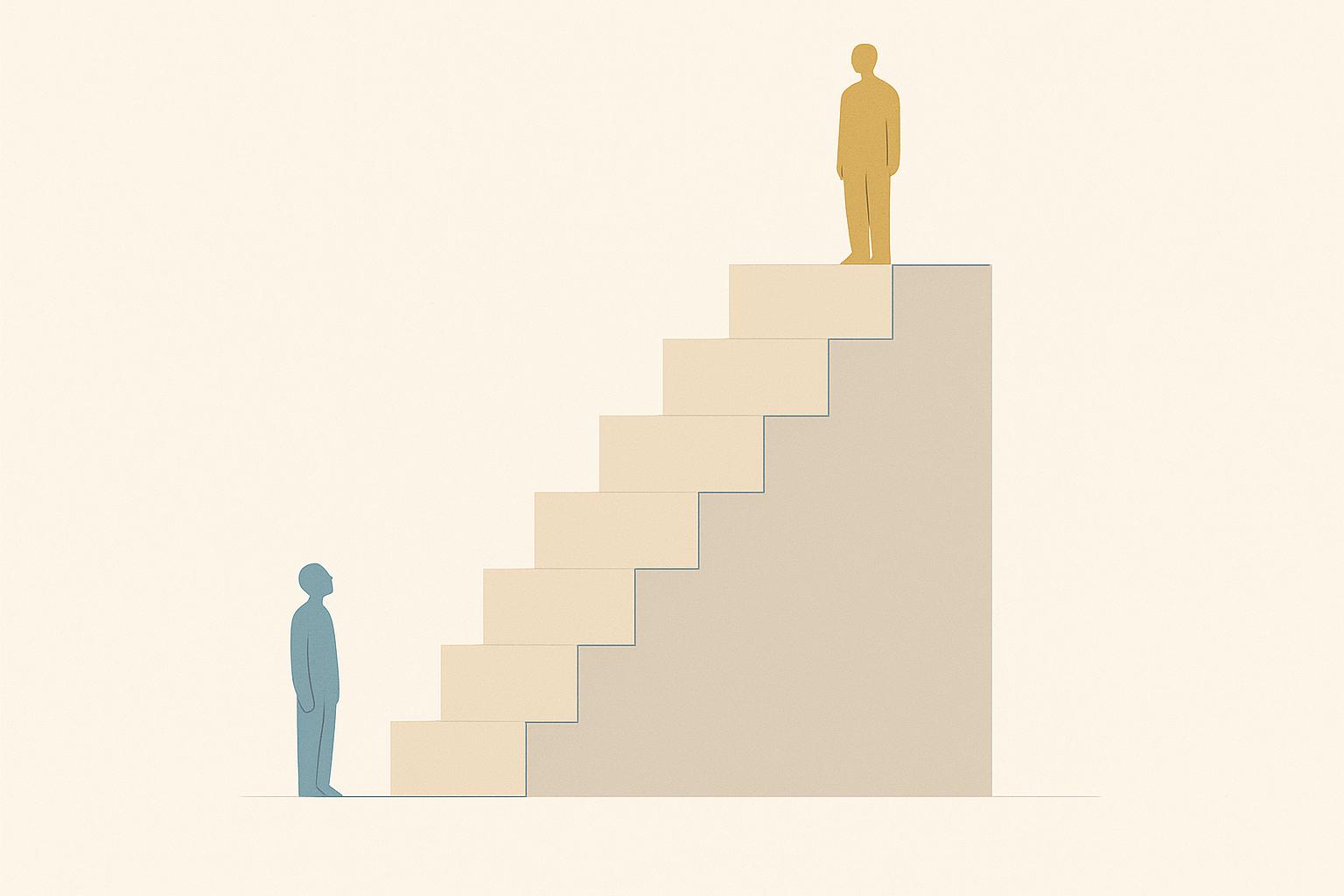
Power distance plays a key role in how people interact within teams, especially in global workplaces. It defines how societies view authority and hierarchy, influencing communication, leadership, and decision-making styles.
- High Power Distance Cultures (e.g., Malaysia, Guatemala): Respect for hierarchy is strong. Leaders make decisions, and employees rarely challenge authority. Communication is formal and top-down.
- Low Power Distance Cultures (e.g., Denmark, New Zealand): Authority is more equal. Employees openly share ideas, question decisions, and collaborate freely. Communication is informal and multi-directional.
For leaders managing international teams, understanding these differences is critical. Misaligned communication styles - like a junior developer hesitating to report an issue in high power distance settings - can cause delays or errors. Training programs, such as those by Tech Leaders, help bridge these gaps by equipping managers with the skills to navigate diverse team dynamics.
The key takeaway: balancing hierarchical respect with open collaboration ensures smoother teamwork across cultures.
10 minutes with Geert Hofstede... on Power Distance 10112014
1. High Power Distance Cultures
High power distance cultures operate on the principle that unequal power distribution is a given, shaping how people communicate and make decisions.
Communication Patterns
In these environments, communication typically moves in one direction - from the top down. Employees seldom approach senior leaders directly, and when they do, the tone is formal, with a strong emphasis on respecting hierarchy. Disagreement, when expressed, is often wrapped in indirect language to maintain politeness and avoid upsetting the balance of authority.
Leadership Approaches
Leaders in high power distance settings tend to favor a directive style. Decisions are made at the top and communicated through formal channels. This structured approach ensures clarity and keeps the organizational framework orderly and predictable.
Conflict Handling and Feedback Practices
When conflicts emerge, the focus is often on preserving harmony and avoiding embarrassment for any party involved. Feedback is managed with care - positive recognition is shared openly, but criticism or constructive feedback is given privately to protect personal dignity. These practices reflect how deeply hierarchical values influence workplace interactions.
For technical leaders navigating global teams, grasping these cultural dynamics is key to fostering collaboration and mutual respect across diverse settings.
2. Low Power Distance Cultures
In low power distance cultures, relationships are built on equality rather than hierarchy. Authority figures are approachable, and questioning leadership is not just accepted - it’s often encouraged.
Communication Patterns
In these environments, communication flows freely in every direction. Employees feel at ease reaching out to managers or executives directly, often using informal language and addressing them by their first names, regardless of rank. This open approach ensures that everyone has a voice and can contribute meaningfully.
The hallmark of this communication style is transparency and directness. Meetings are interactive spaces where participants actively share ideas and challenge proposals in a constructive way. This open dialogue fosters an atmosphere of collaboration and shared leadership.
Leadership Approaches
Leaders in low power distance cultures lean toward a collaborative and consultative approach. They actively seek input from team members across all levels, valuing diverse perspectives. While this participatory style may slow down decision-making, it often results in stronger support and commitment to the final outcomes.
Rather than acting as commanding figures, managers take on roles as facilitators and coaches. They encourage team members to take ownership of their projects, make decisions within their responsibilities, and develop their leadership skills. The focus shifts from controlling to empowering, creating an environment where individuals feel trusted and capable.
Conflict Handling and Feedback Practices
Conflict resolution in these cultures mirrors their open communication style. Issues are addressed directly through honest conversations, rather than avoided to maintain surface-level harmony. The belief is that openly working through disagreements leads to better solutions and stronger relationships.
Feedback is also straightforward and constructive. Practices like 360-degree feedback are common, allowing employees to receive input from supervisors, peers, and even subordinates. This approach reinforces the culture’s emphasis on equality and mutual improvement.
Mistakes are seen as opportunities for growth, not failures to be punished. Employees are expected to take responsibility, learn from feedback, and use it to improve. This creates a work environment where continuous improvement is an organic part of daily operations, rather than a top-down directive.
sbb-itb-8feac72
Pros and Cons
Both high and low power distance styles bring their own set of advantages and challenges, influencing team dynamics, decision-making, and overall efficiency.
| Aspect | High Power Distance - Pros | High Power Distance - Cons | Low Power Distance - Pros | Low Power Distance - Cons |
|---|---|---|---|---|
| Decision Making | Quick, decisive actions; Clear accountability; Authority is well-defined | Limited input from diverse perspectives; Risk of poor decisions due to lack of feedback; Heavy reliance on a single leader | Broad input from all levels; Better team buy-in; Encourages innovative thinking | Slower decision-making; Risk of over-analysis; Reaching consensus can be difficult |
| Communication Flow | Clear and structured channels; Reduces information overload | Bottlenecks at the top; Important insights may not reach leaders; Employees may hesitate to speak up | Open dialogue promotes innovation; Problems are identified quickly; Encourages transparency | Risk of information overload; Potential for miscommunication; Introverted team members may feel overwhelmed |
| Leadership Development | Strong leaders often emerge; Clear succession planning; Expertise is respected | Limited leadership pipeline; Over-dependence on key individuals; Employees may feel disempowered | Leadership skills are nurtured at all levels; Teams become more self-sufficient; Promotes personal growth | May lack decisive leadership when needed; Risk of inexperienced decision-making; Roles can become unclear |
| Team Dynamics | Clear roles and responsibilities; Reduces interpersonal conflict; Relationships are often harmonious | Creativity may be stifled; Engagement levels can drop; Resentment toward authority may arise | High engagement and collaboration; Greater job satisfaction; Encourages teamwork | Frequent disagreements can occur; Consensus-building is time-consuming; Can create stress for some team members |
| Organizational Efficiency | Streamlined processes; Clear chain of command; Execution is often highly efficient | Slow to adapt to changes; Missed opportunities for improvement; Lacks agility | Adapts quickly to market changes; Fosters continuous improvement; Encourages innovation | Processes may be inconsistent; Conflicting priorities can arise; Efficiency may be sacrificed for inclusivity |
Beyond these internal dynamics, external factors play a major role in shaping the outcomes of these approaches.
High power distance cultures often excel at maintaining cost control and operational efficiency but may struggle to keep up with innovation-driven industries. On the other hand, low power distance cultures tend to invest heavily in employee development and collaborative tools, which can lead to higher initial costs but often result in long-term gains through innovation and better employee retention.
For global organizations, adapting to different cultural norms is crucial. A flat organizational structure that thrives in Silicon Valley might create confusion in more hierarchical settings, while a rigid hierarchy might clash with the expectations of younger, collaboration-focused employees in the U.S.
In high power distance environments, open collaboration platforms may face resistance, while low power distance teams risk losing direction when hierarchy is minimized. Striking the right balance is essential.
Ultimately, neither approach is universally better. Their success depends on the specific context, such as the industry, organizational goals, and the cultural makeup of the team. Many organizations find success by adopting hybrid approaches, blending elements of both styles. This allows them to adapt to diverse situations, respect cultural differences, and create an environment where collaboration can thrive across boundaries.
Conclusion
Grasping the concept of power distance is a critical step in mastering cross-cultural communication. It's not about one approach being better than the other - both high and low power distance structures have their place, depending on the context, industry, and the dynamics of a team.
High power distance environments tend to excel in providing clear hierarchies and facilitating quick decision-making. On the flip side, they can sometimes stifle creativity and innovation. Meanwhile, low power distance setups thrive on collaboration and foster innovative thinking, though they may occasionally slow down the decision-making process.
For leaders, the challenge lies in tailoring their strategies to fit the cultural landscape they’re working within. This requires cultural intelligence - the ability to navigate and adapt to differing power distance norms. It means adjusting communication styles to align with the cultural backgrounds of team members, building systems that respect hierarchical structures while encouraging input from all levels, and understanding how authority and decision-making are perceived across different cultures.
Technical leaders, in particular, face the unique task of bridging the often flat structures of tech culture with more hierarchical norms. Successfully integrating diverse teams requires more than technical know-how; it demands strong cross-cultural leadership skills.
Organizations like Tech Leaders are stepping up to meet this need by offering training programs that help professionals bridge cultural and communication gaps. These programs focus on equipping technical experts with the leadership skills necessary to guide global, multicultural teams effectively. By addressing these challenges, they help create leaders who can thrive in an increasingly interconnected world.
The future belongs to leaders who can adapt to diverse cultural norms while staying true to their values. This involves investing in cross-cultural training, honing emotional intelligence, and fostering inclusive environments where different communication styles are not just acknowledged but leveraged. The goal is to strike a balance - combining the clarity of hierarchical structures with the openness of collaborative approaches, enabling diverse teams to work together seamlessly while respecting cultural differences.
FAQs
How can leaders successfully manage teams with different cultural views on authority and hierarchy?
To lead teams with differing views on authority and hierarchy, it's essential for leaders to cultivate cultural awareness and use flexible communication approaches. This means being mindful of how cultures perceive power dynamics, respecting established norms around authority, and making sure everyone on the team feels appreciated and included.
Encouraging open conversations and practicing inclusive leadership can help navigate cultural differences, build trust, and improve teamwork. By acknowledging and addressing these nuances, leaders can foster a more unified and efficient team environment that respects and thrives on cultural diversity.
How can international teams balance respect for hierarchy with open collaboration?
Balancing respect for hierarchy with open collaboration in international teams calls for a deliberate approach. One way to start is by promoting cultural awareness. This could involve training sessions or open discussions that help team members understand and appreciate each other’s cultural norms and practices.
Leaders play a key role here. They should adjust their management style to align with the cultural dynamics of the team. For instance, in more hierarchical cultures, a directive approach might work better, while in egalitarian settings, a collaborative style can foster stronger engagement.
To further improve teamwork, focus on inclusivity. Set clear expectations, and encourage everyone to share their ideas without hesitation. When you create an atmosphere where respect for authority exists alongside open communication, teams are more likely to work cohesively and boost their overall productivity.
How does power distance influence innovation and decision-making in organizations?
In societies with high power distance, workplaces often operate under a strict hierarchy where decisions are made primarily by those at the top. This structure can create barriers to open communication, making employees hesitant to present new ideas. As a result, innovation may take a back seat. Leadership in such settings is typically more authoritarian, with minimal involvement from team members in decision-making processes.
In contrast, low power distance cultures prioritize equality and open communication. Employees in these environments are more likely to feel confident sharing their thoughts and ideas, which encourages teamwork and sparks creativity. This inclusive mindset leads to more dynamic decision-making and aligns closely with the U.S. workplace culture, where collaboration and open dialogue are core values.